
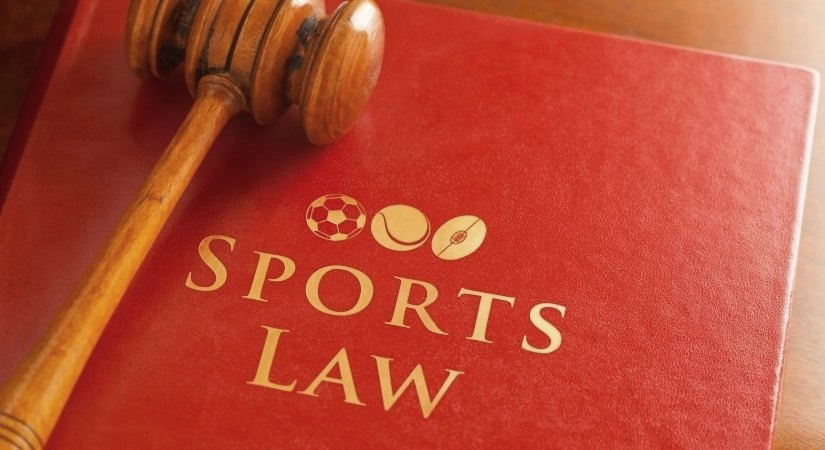
Sports law in India is a growing and evolving area that encompasses various legal aspects related to the governance, regulation, and management of sports. It involves a combination of constitutional, civil, criminal, and administrative laws, and is particularly concerned with the rights and duties of athletes, sports organizations, broadcasters, sponsors, and other stakeholders. Here’s an overview of the key components of sports law in India:
- Governing Bodies & Regulations
National Sports Federations (NSFs): Each sport in India is governed by a National Sports Federation, which is responsible for organizing and promoting the sport at the national level. Examples include the Board of Control for Cricket in India (BCCI), All India Football Federation (AIFF), and the Wrestling Federation of India (WFI).
Sports Authority of India (SAI): SAI is a statutory body that facilitates sports development in India. It is responsible for the training, infrastructure, and overall development of athletes.
Indian Olympic Association (IOA): This body represents India at the international level, particularly in the Olympic Games and other multi-sport events. It is also responsible for ensuring adherence to international sporting regulations. - Contractual Laws in Sports
Player Contracts: Professional athletes in India enter into contracts with sports organizations, sponsors, and teams. These contracts often include terms about salaries, performance incentives, endorsement deals, and media appearances.
Transfer Rules: Sports laws often govern how athletes can be transferred between teams or federations. This is particularly common in sports like football and cricket.
Endorsements and Sponsorships: Many players sign endorsement deals with brands, which are legally binding contracts that influence commercial opportunities in sports. - Dispute Resolution
Arbitration: Disputes between athletes, sports organizations, and sponsors often get resolved through arbitration instead of traditional litigation. The Court of Arbitration for Sport (CAS) also has jurisdiction over international sports disputes.
National Dispute Resolution Panel (NDRP): In India, the NDRP provides an avenue for resolving sports-related disputes, including those involving doping violations, player transfers, and contract issues. - Doping & Anti-Doping Laws
India adheres to the World Anti-Doping Agency (WADA) regulations, which set strict guidelines on performance-enhancing drugs. Athletes found guilty of doping face sanctions including suspensions and bans from competitions.
The National Anti-Doping Agency (NADA) is the governing body that enforces anti-doping laws in India. - Intellectual Property Rights (IPR)
Broadcast Rights: The broadcasting of sporting events often involves complex negotiations over intellectual property rights. The sports organizations sell the broadcasting rights, and issues related to licensing, trademarks, and copyright can become a significant legal concern.
Merchandising: The sale of branded merchandise, such as jerseys and memorabilia, also raises IPR issues. Sports teams, leagues, and athletes usually protect their trademarks through patents and copyrights. - Sports Broadcasting and Media
The Indian sports broadcasting industry is highly regulated, and there have been legal frameworks to control the sale of broadcasting rights. The Ministry of Information and Broadcasting (MIB), along with the Telecom Regulatory Authority of India (TRAI), plays a role in regulating sports media rights, ensuring fair access and preventing monopolies. - Competition Law & Sports
Antitrust Issues: Sports leagues in India must comply with the Competition Act, 2002. Issues like anti-competitive practices, monopolistic behavior, and collusion between teams or organizations are regulated to ensure fair competition.
Broadcasting and Sponsorship Agreements: Agreements between sports leagues and broadcasters can sometimes lead to anti-competitive behavior, which might be subject to review by the Competition Commission of India (CCI). - Labor Laws
Athlete Rights: Athletes in India are also protected under labor laws, including those related to fair wages, working conditions, and health benefits. They are entitled to social security benefits such as insurance and pensions, especially for government-employed athletes.
Sports Personnel as Employees: In some cases, athletes may be considered employees under labor laws, entitling them to benefits such as salaries, job security, and dispute resolution mechanisms. - Sports Infrastructure and Facilities
The development and regulation of sports infrastructure, including stadiums, training centers, and academies, often fall under state and central government policies.
Public-Private Partnerships (PPPs): The Indian government encourages private investments in the sports sector, particularly in building facilities for hosting international events like the Commonwealth Games. - Sports and Gender Equality
Gender Discrimination: Indian law requires that women have equal access to sports opportunities. The Sexual Harassment of Women at Workplace (Prevention, Prohibition, and Redressal) Act, 2013 also applies to sports institutions.
There are various initiatives and laws aimed at encouraging women to participate in sports, including government schemes and programs for women athletes. - Torts and Liability in Sports
Sports injuries are common, and Indian law provides for compensation in cases where negligence or recklessness is involved. Legal action may be taken in instances of unsafe practices, poor facility management, or the failure of authorities to ensure athlete safety. - Sports Taxation
Tax Implications for Athletes: Earnings from sports contracts, endorsements, and prize money are taxable in India. There are specific tax provisions regarding income from sports, and sports federations must comply with taxation regulations.
GST on Sports Events: The Goods and Services Tax (GST) applies to sports events, including ticket sales, broadcasting rights, and sponsorship deals.
Key Challenges and Future Directions
Corruption and Mismanagement: Issues such as corruption within sports federations and mismanagement of funds have plagued Indian sports, often leading to legal challenges and reforms.
Lack of Clear Legal Frameworks: Despite significant improvements, there is still a need for clearer laws and guidelines, especially in emerging sports, such as esports.
Judicial Intervention: Courts have intervened in some high-profile cases, such as the removal of BCCI office-bearers in relation to conflicts of interest and governance issues.
Conclusion
Sports law in India is developing alongside the growth of sports as an industry in the country. With the increasing commercialization of sports, greater emphasis on athlete rights, and international exposure, India’s legal landscape in sports is expected to continue evolving. Balancing governance, ethical standards, and the interests of stakeholders will be crucial as the nation seeks to position itself as a global sports hub.
Leave a Reply